




The rise of Industry 4.0 has introduced groundbreaking technologies aimed at transforming the way industries operate. Among these innovations, digital twins stand out as a revolutionary concept driving change across multiple sectors. But what exactly are digital twins?
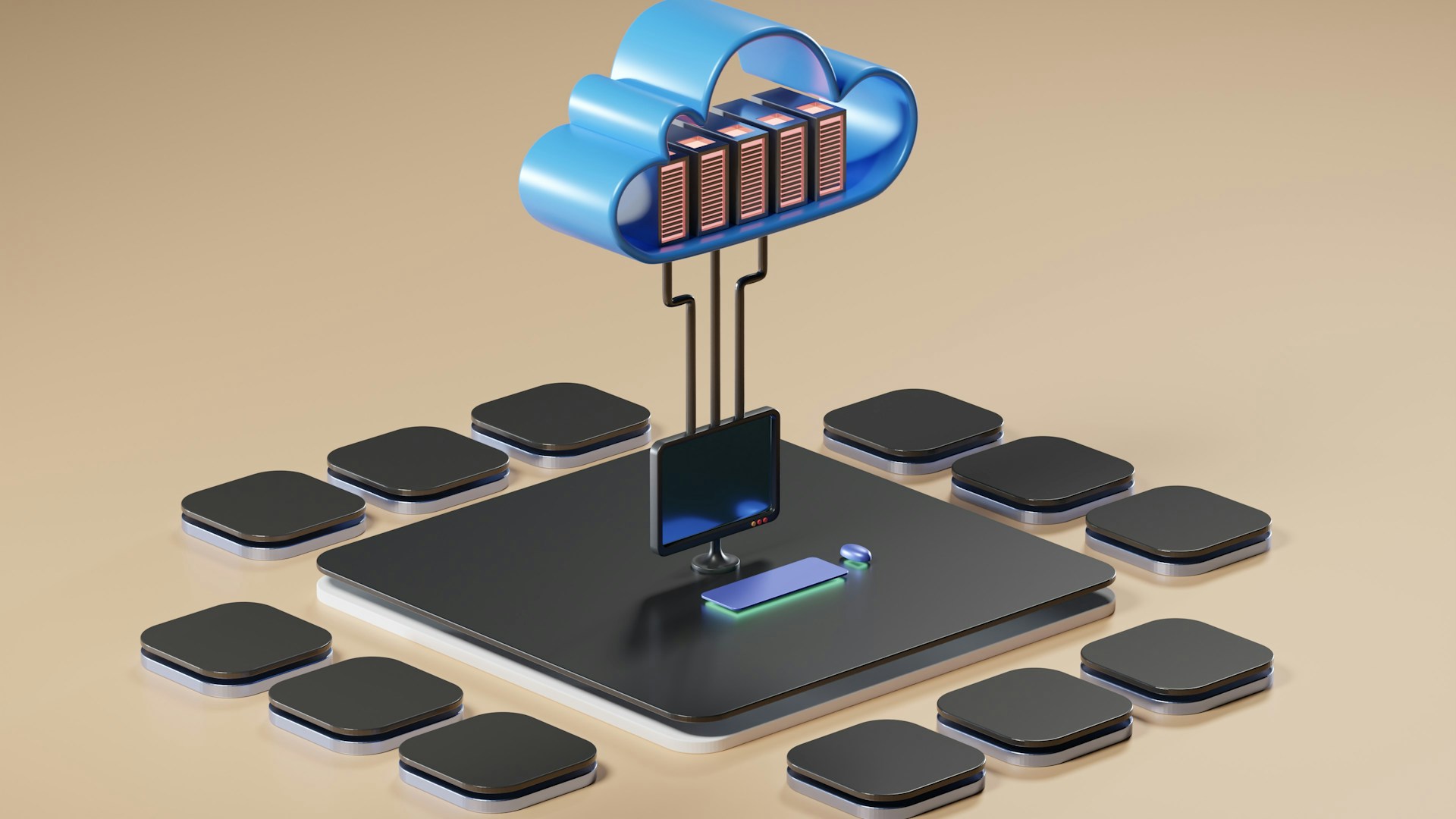
A digital twin is a virtual replica of a physical asset, system, or process. It enables real-time simulation and continuous monitoring of its real-life counterpart. By leveraging this cutting-edge technology, businesses can optimize performance, predict potential failures, and enhance efficiency with ease.
From manufacturing to healthcare, digital twins are transforming the global landscape, offering a glimpse into the future of virtual modeling.
Core Benefits Driving the Adoption of Digital Twins
Industries are incorporating digital twins at an unprecedented rate. Here’s why this technology has emerged as a game-changer for businesses worldwide:
Enhanced Predictive Maintenance
Predictive maintenance is no longer a guesswork process, thanks to digital twins. By simulating how physical systems perform over time, organizations can predict equipment failures before they occur. This not only reduces downtime but also helps control maintenance costs, preventing financial surprises.
For instance, companies in aviation use digital twins to monitor the health of engines. This allows them to identify signs of wear and tear early, enabling timely repairs before a critical failure happens mid-flight.
Real-Time Simulations for Better Decision-Making
Simulations using digital twins empower businesses to experiment in a risk-free virtual environment. By modeling potential scenarios in advance, decision-makers can optimize outcomes and avoid costly errors.
For example, in the automotive industry, manufacturers simulate product designs via virtual twins, testing features like aerodynamics and crash resistance without the need for physical prototypes. This saves significant time and financial resources.
Accelerating Industry-Wide Innovation
Digital twins are enabling industries to innovate by analyzing massive datasets and uncovering actionable insights. This accelerates research and development cycles, fostering the creation of new, more efficient products and processes.
Take healthcare, for example. Digital replicas of patient organs, created through digital twin technology, facilitate personalized treatments. Doctors can simulate surgical procedures beforehand, ensuring greater precision during operations.
Transforming Industries with Digital Twin Applications
Manufacturing Redefined with Advanced Insights
The manufacturing sector has embraced digital twins to streamline factory operations. By replicating machinery and production lines in the virtual world, manufacturers identify inefficiencies, bottlenecks, and optimization opportunities faster.
This virtual modeling has been monumental in achieving “smart factories,” where seamless integration between physical systems and their digital counterparts drives continuous improvement.
Revolutionizing Urban Planning with Smart Cities
City planners are using digital twins to design smart cities that rely on robust data ecosystems. Virtual models of buildings, traffic systems, and utilities provide real-time insights into urban development.
For instance, planners can identify environmental risks like flooding by running simulations using digital twins of drainage systems and city layouts. This enables proactive changes to mitigate potential disasters before they strike.
Driving Renewable Energy Efficiency
Within the energy industry, digital twins enhance operations involving renewable resources such as wind turbines and solar farms. By continuously analyzing real-time data, operators ensure maximum energy output while minimizing wear on equipment.
Such innovations are critical for creating sustainable systems that support the global push for cleaner energy alternatives.
Personalized Customer Experiences in Retail
Beyond technical industries, digital twins can reshape retail spaces. Brands can virtually model consumer behaviors within store layouts or online platforms, predict preferences, and offer personalized experiences.
Global clothing brand Zara, for example, employs virtual modeling to analyze and optimize how customers interact with their stores, helping them refine inventory and improve store designs.
Challenges in Adopting Digital Twins
While impactful, the adoption of digital twins also comes with challenges that businesses must address to fully harness their potential.
Data Complexity and Integration
Integrating vast amounts of real-time data from IoT sensors, machine systems, and cloud platforms can be overwhelming. Without proper strategies in place, this complexity can hinder the scalability and effective deployment of the digital twin ecosystem.
Cybersecurity Concerns
Digital twins rely on data, making them a target for cyber threats. Industries need to prioritize robust cybersecurity measures to safeguard sensitive information against potential breaches.
Implementation Costs
Though highly beneficial, implementing digital twin solutions often involves significant upfront costs. Smaller companies may struggle with these expenses, particularly those with limited resources to invest in advanced technology.
Why Digital Twins Are the Future
Digital twins are no longer a theoretical concept but a tangible solution transforming industries across the globe. Their application in predictive maintenance, simulation for decision-making, and operational efficiencies ensures they are vital to the evolution of Industry 4.0.
Whether you’re in manufacturing, healthcare, urban planning, or any other sector, investing in digital twin technology today sets the stage for consistent innovation tomorrow.
If your organization is looking to stay competitive by reducing inefficiencies, boosting productivity, and delivering exceptional results, adopting digital twins is a must.