




The advent of 5G is more than just a network upgrade. It’s a revolution that is reshaping how we communicate, work, and experience the digital world through mobile data.
This fifth-generation technology promises lightning-fast speeds, low latency, and smarter connectivity. But how exactly is 5G transforming mobile experiences?
Whether you’re streaming your favorite series, managing smart home devices, or relying on mobile networks for business, 5G is poised to take your connectivity to unprecedented levels. Here’s a deep look into how 5G technology is making an impact and what it means for you.
What Makes 5G Different from 4G
To appreciate the power of 5G, it’s essential to understand how it improves upon 4G networks. Speed and bandwidth are two of the most noticeable upgrades, but the technology goes beyond these basics:
The Speed Revolution
5G networks can offer download speeds of up to 10 Gbps—that’s 10 to 100 times faster than 4G! This means downloading a full HD movie could take mere seconds instead of minutes.
The quick speed benefits not only individuals but also industries that rely on real-time operations, like autonomous vehicles and remote healthcare services.
Low Latency for Real-Time Connectivity
Latency, the time it takes for data to travel from your device to a server and back, is significantly reduced with 5G. While 4G averages about 50 milliseconds of latency, 5G can achieve as low as 1 millisecond.
This low latency powers real-time applications such as video gaming, virtual reality (VR), and augmented reality (AR) experiences.
Increased Capacity to Connect More Devices
4G networks often struggle in crowded places like sports arenas or music festivals. With its increased capacity, 5G can support billions of connected devices without compromising speed or performance.
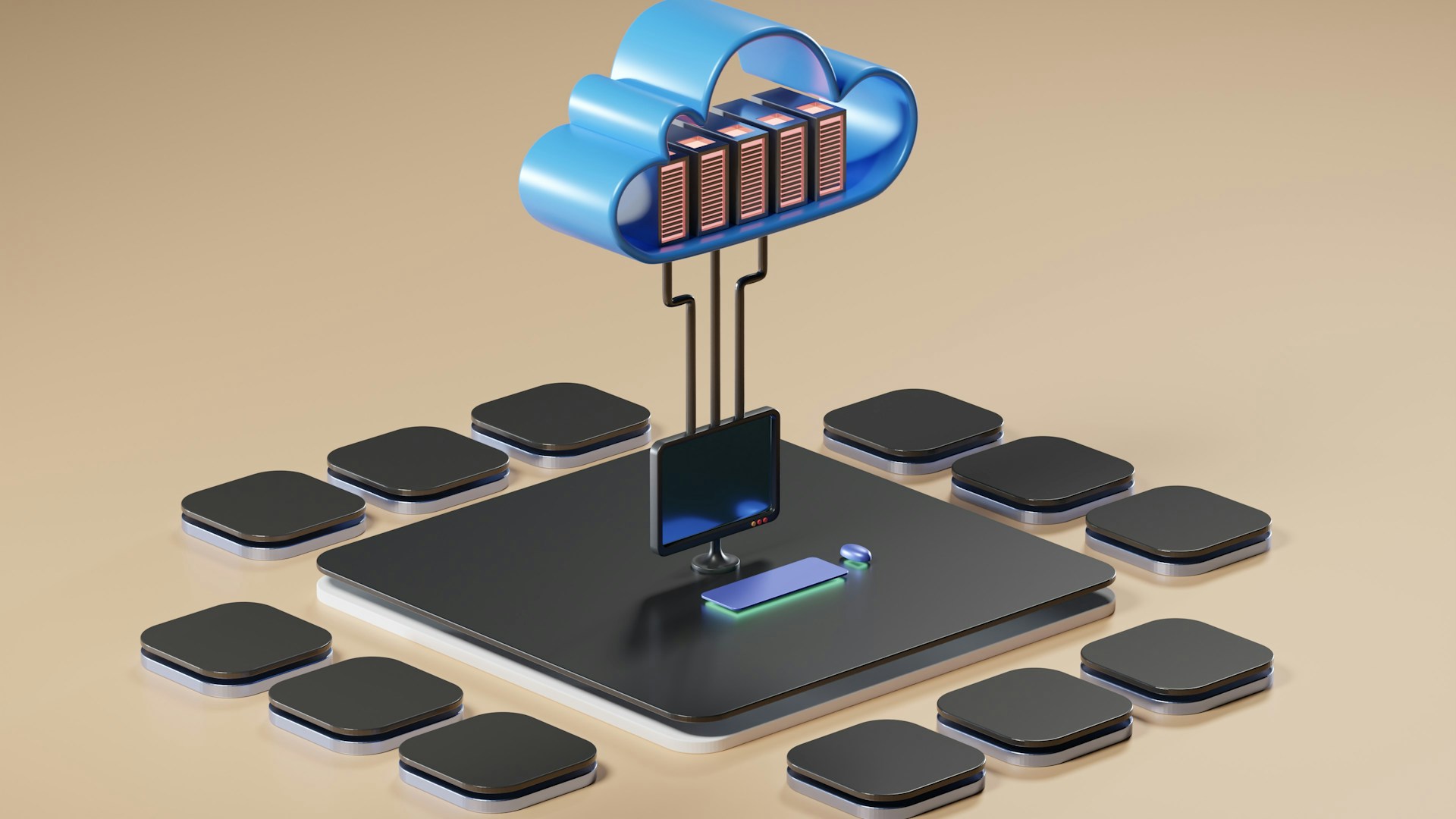
This change is pivotal for advancing the Internet of Things (IoT), where smart devices—from refrigerators to city traffic lights—communicate seamlessly.
The Key Applications of 5G Technology
The impact of 5G extends across multiple sectors, revolutionizing both our personal lives and professional environments. Here are the most notable applications already transforming industries:
Enhanced Mobile Streaming and Entertainment
A faster 5G network means no more buffering or delays when streaming high-definition videos. Streaming services, social media platforms, and online gaming will now offer crisper experiences. Imagine seamless 4K video calls or participating in multiplayer games without a hint of lag.
Smart Cities and the Internet of Things
5G serves as the backbone for smart cities. It enables systems like energy grids, surveillance cameras, and public transportation to operate collectively and efficiently.
The ability of mobile data to handle millions of interconnected devices ensures these systems communicate smoothly, ultimately improving sustainability and safety.
Healthcare Breakthroughs
From telemedicine advancements to real-time diagnostics through wearable devices, 5G is a game-changer in healthcare.
With low latency and reliable connectivity, doctors can perform surgeries remotely using robotic tools, and patients in rural areas can access specialist consultations through high-quality video calls.
Improving Logistics and Autonomous Vehicles
The ultra-reliability and low latency of 5G are critical for autonomous vehicles, which rely on split-second decisions based on real-time data. Fleet management systems can also track shipments with pinpoint accuracy, boosting logistics and supply chain efficiency.
Revolutionizing Workforces and Remote Collaboration
Thanks to 5G, remote work is more effective than ever.
Enhanced videoconferencing quality and cloud-based applications with zero delays are enabling more immersive and productive collaboration, regardless of location. Businesses, especially small ones, can now expand globally without significant infrastructure investments.
Challenges to Overcome Before Full Adoption
While 5G technology holds immense promise, challenges remain. These need to be addressed to ensure seamless adoption:
- Infrastructure Development: Building the infrastructure for 5G requires significant investment, from establishing more towers to deploying small cells in urban areas.
- Coverage Limitations: Rural areas may face slower adoption due to the costs associated with covering less-populated regions.
- Device Compatibility: To enjoy the benefits of 5G, users may need new devices that support the network.
- Cost Factors: Upgrades in network capabilities might come with higher costs for consumers and businesses initially, though they are expected to decrease with time.
How to Prepare for the 5G Era
The transition to 5G will impact industries and consumers alike. Preparing for its arrival includes:
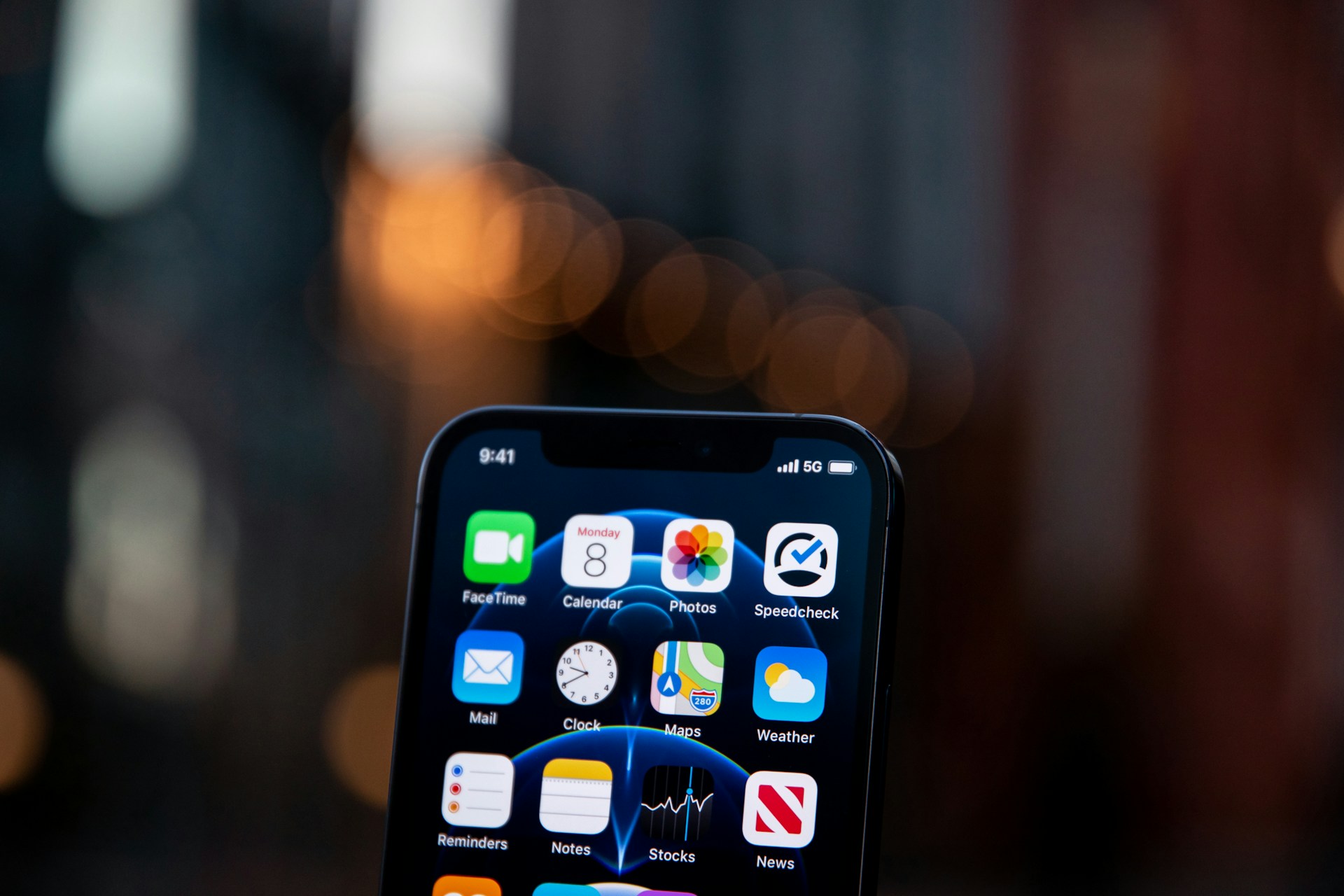
- Upgrading Devices: For individuals, investing in 5G-compatible devices is the first step to accessing enhanced network features.
- Adopting Smart Solutions: Businesses should explore how IoT and cloud-based systems can integrate with 5G to optimize operations.
- Educating Employees: Organizations must invest in training programs to help employees leverage 5G-powered solutions effectively.
An example of preparation comes from the gaming industry. Developers are already creating VR and AR games optimized for 5G, ensuring players enjoy glitch-free and immersive experiences the moment they adopt the technology.
The Future of Connectivity
5G is not just another network upgrade; it’s a leap forward in how we connect, interact, and thrive in a digital world. With its ultra-fast speed, minimal latency, and capacity to handle vast device networks, 5G is paving the way for smarter cities, remote healthcare breakthroughs, and industry innovations.
For consumers and businesses, the key to thriving in this new era is understanding and adopting this technology early. The shift to 5G opens up endless opportunities that are limited only by our imagination and adaptability.