



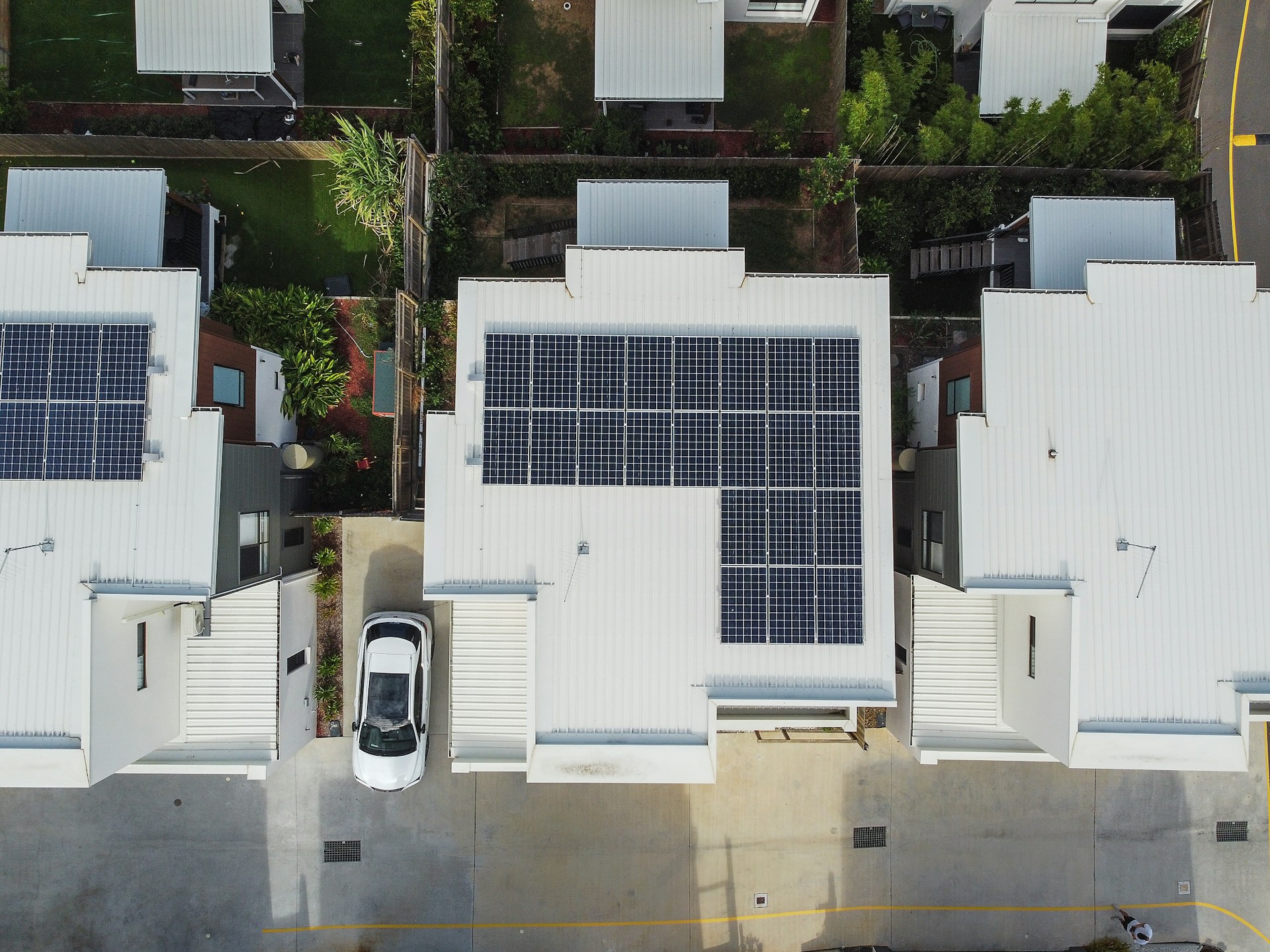


Drones were once seen as futuristic gadgets, reserved primarily for hobbyists or military use. Today, they are emerging as vital tools across industries, reshaping traditional workflows with unprecedented efficiency and precision.
From enhancing delivery services to improving agricultural practices, aerial technology is no longer just a trend; it’s a game-changing innovation. This article dives into the ways drones are revolutionizing businesses, showcasing their capabilities, benefits, and real-world applications.
Whether you’re a business leader exploring drones for the first time or an industry professional keeping up with technology, this post offers valuable insights into the future of drones in commerce.
The Expanding Role of Drones in Modern Industries
Professional Insights into Drone Technology
Drones, also known as unmanned aerial vehicles (UAVs), have evolved significantly over the last decade. Equipped with advanced GPS systems, high-definition cameras, and robust software, they have moved far beyond their recreational roots into core business applications. The drone market is thriving.
According to Statista, the global commercial drone market is projected to reach $63.6 billion by 2028, spurred by increasing demand for aerial tech in agriculture, delivery services, construction, and beyond. This growth signifies the growing trust industries are placing in this transformative technology.
Efficiency and Cost Savings
One of the primary reasons behind the rapid adoption of drones is their ability to boost operational efficiency while cutting costs. Drones can quickly perform tasks that traditionally require manpower, expensive equipment, or prolonged time frames.
For example:
- Inspecting power lines or pipelines from remote areas is faster and safer with drones compared to traditional methods that require scaffolding or helicopters.
- Drone imagery eliminates the need for manual on-ground assessments in agriculture, capturing real-time data about crop health in minutes.
When companies integrate drones into their operations, they gain more productivity in less time, improving both profitability and resource management.
Applications Across Industries
Agriculture and Crop Monitoring
Farmers are increasingly turning to drones to monitor and manage their crops. Equipped with multispectral sensors, drones can analyze soil conditions, identify pest infestations early, and optimize irrigation schedules. This data-driven farming greatly enhances productivity while conserving resources.
One notable example is the precision agriculture enabled by drones. By capturing aerial imagery of large-scale farmlands, farmers can identify stressed crops and target specific areas requiring attention, rather than applying water or pesticides uniformly across fields.
This targeted approach saves significant resources and reduces environmental pollution.
Delivery Services Reaching New Heights
Delivery services are undergoing significant transformations, all thanks to drones. Companies like Amazon, FedEx, and UPS are actively developing drone-based delivery options to enable faster and more efficient package transport.
For instance, drones equipped with GPS can deliver lightweight packages directly to consumers in less than half the time it would take a delivery driver. This is crucial in remote rural areas where traditional delivery services struggle with logistics.
By adopting drones, the delivery industry is also reducing its carbon footprint. Electric drone fleets replace fuel-reliant vehicles, aligning businesses with sustainable practices.
Revolutionizing Construction and Real Estate
From site inspections to marketing high-end properties, drones are changing the construction and real estate industries in unexpected ways. Builders and realtors now access aerial perspectives that were once costly or hard to obtain.
Key Applications in Construction:
- Monitoring site progress by capturing images and creating detailed 3D maps.
- Detecting structural issues that can’t be observed on ground level.
- Improving safety by surveying hazardous or hard-to-reach areas.
Media and Marketing
Thanks to high-definition cameras, drones offer a new lens for creativity in media and advertising. Ad agencies, filmmakers, and social media marketers are leveraging drones to capture compelling visuals.
Stunning aerial shots highlight products, services, or scenic locations, fostering deeper audience engagement. Cinematic shots that once required helicopters now cost a fraction of the price of drones, making professional videography accessible to a wider audience.
Safety and Security Applications
Improved Surveillance
Security agencies, law enforcement, and private organizations are using drones for surveillance and monitoring. Their ability to quietly hover over areas provides a discreet avenue for gathering intelligence, monitoring live events, or ensuring employee safety on large campuses.
For example, drones equipped with infrared cameras can monitor nighttime operations or track individuals in security-sensitive zones.
Emergency Response
Natural disasters such as floods, wildfires, or earthquakes are unpredictable, requiring quick and effective intervention. Drones play a crucial role in these scenarios by:
- Delivering medical supplies to inaccessible areas.
- Capturing real-time imagery to assess damage.
- Locating survivors or stranded individuals using heat-sensing technology.
With drones, emergency responses are faster, safer, and more precise, ensuring critical aid is provided when and where it’s most needed.
Challenges Faced by Drone Adoption
Despite their impressive potential, drones come with challenges. Regulatory restrictions, limited battery life, and privacy concerns are among the top obstacles businesses must address before fully implementing the technology.
However, as governments worldwide work on streamlining drone regulations and innovations in drone technology push the boundaries of battery efficiency, these hurdles are steadily being overcome.
Preparing for the Future
The adoption of drones across industries shows no signs of slowing down. Companies planning to harness aerial tech should consider their specific needs:
- What are the main challenges your business faces that drones could address?
- How will you integrate drones into your existing workflow?
- Do you have the workforce or partnerships to manage drone operations effectively?
With strategic planning and ongoing learning, businesses can unlock vast opportunities offered by drone technology.
The Role Drones Will Play in the Next Decade
The revolution in drone technology is still in its infancy. Over the coming decade, advancements in AI, machine learning, and autonomous operations will further integrate drones into everyday industrial workflows. For businesses, this means staying ahead of trends and investing early.
By using drones, companies can achieve sustainable growth, improve efficiency, and cement their competitive edge in an evolving market. Is your business ready to take advantage of the aerial tech transformation?