






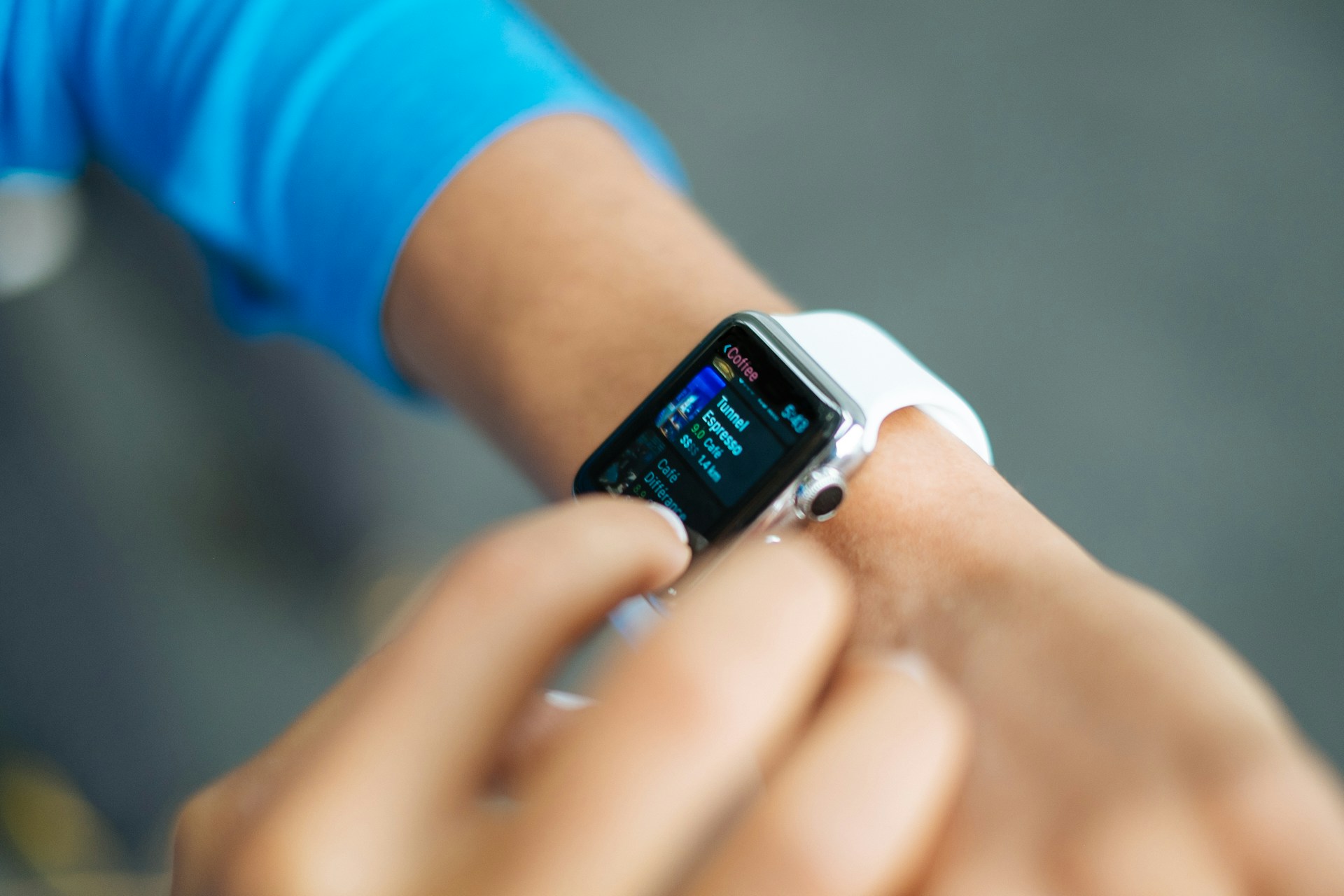
Wearable technology has come a long way, evolving rapidly from novelty gadgets to indispensable tools for monitoring fitness and health. Over the last decade, devices such as fitness trackers and smartwatches have become a part of daily life for millions.
But as technology advances, so do expectations. What’s on the horizon for wearable tech? How will it reshape the way we manage our health data, stay fit, and interact with technology?
This blog explores the next-generation innovations in wearables, highlighting their potential to revolutionize healthcare, fitness, and even lifestyle habits.
How Wearable Tech Evolved to Where It Is Today
Before we jump into the future of wearable tech, it’s worth understanding how far we’ve come. Fitness trackers like the Fitbit or Apple Watch redefined the way people measure activity, sleep, and heart rates.
By providing users with easy-to-read health data, these devices turned tracking into a seamless part of everyday routines. Wearables also began merging with other technologies, syncing with apps to provide personalized insights.
For instance, health professionals now recommend wearables for patients needing to track conditions like hypertension or irregular heartbeats. But the next era of wearables aims to go beyond monitoring, making a more profound impact on user health and well-being.
A Look Ahead at Wearable Tech Innovations
Wearable technology is no longer limited to fitness trackers or smartwatches. The future of wearables is diverse and ambitious, with devices aiming to solve complex challenges across healthcare, fitness, safety, and lifestyle.
Real-Time Health Monitoring Will Be the Norm
One of the most exciting developments is real-time health monitoring. Next-gen wearables will use advanced sensors to track biometric data more precisely. Imagine a fitness tracker that can continuously measure blood glucose levels for individuals with diabetes, eliminating the need for manual glucometers.
Additionally, wearables may become capable of detecting early symptoms of diseases. For example, wearable patches that track heart rhythms are already being tried to predict potential strokes.
Some devices are working toward on-the-spot hydration and nutrient monitoring, offering real-time alerts when your body needs key electrolytes or supplements.
The integration of AI further enhances this possibility. Machine learning will analyze health data patterns over time to detect abnormalities way before symptoms manifest, creating opportunities for preventive care rather than reactive treatment.
The Role of AI in Personalized Fitness
Ask any personal trainer, and they’ll tell you that customized fitness plans lead to the best results. Future fitness trackers will take personalization to a new level by using AI algorithms to craft tailored workout regimens based on user fitness data.
If your wearable detects you’re underperforming during workouts, it could suggest shifting exercise routines or even adjusting hydration and nutrition. Simultaneously, expert-curated exercise feedback will likely go beyond encouragement prompts like, “Keep going!” to meaningful, actionable advice.
Going Beyond the Wrist
When it comes to wearable tech, wrist-based devices dominate the landscape. However, demand for more discreet, versatile designs is growing.
- Smart Clothing: Fitness enthusiasts are looking forward to smart clothing equipped with sensors that can mirror the functionality of current wearables. Smart shirts and pants will track posture, breathing, and specific exercise form to improve athletic output.
- Health Patches: Thin, skin-like patches will soon replace clunky devices, allowing users to measure health data such as heart rate variability or hydration metrics in a non-intrusive way.
- Wearable Eyewear: Heads-up displays integrated into glasses will allow for on-the-go productivity while tracking health and fitness data.
These out-of-the-box designs are set to make wearables more accessible and aesthetically pleasing, shedding the limitations of bulkiness and discomfort.
A Greater Focus on Mental Well-Being
Wearables have, so far, focused strongly on physical fitness. The next generation will expand their scope to mental health and well-being. Devices will include features like tracking stress levels through cortisol-related biosensors or offering early warnings for anxiety with heart rate and breathing pattern analysis.
Some wearables already offer breathing exercises for mindfulness on the go, but the future holds promise for more complex interventions, like mood mapping and AI-guided behavior therapies designed to improve emotional resilience.
Gamification and the Future of Motivation
The fitness industry has seen a rise in gamification over the past few years. Thanks to wearables, fitness habits could become even more closely tied to game-like features that emphasize community engagement.
For example, real-world fitness challenges integrated with AR (Augmented Reality) wearables might allow users to complete virtual marathons alongside friends from other countries.
Through these types of immersive, engaging platforms, the role of wearables will move beyond functional tracking to fostering meaningful social connections.
The Ethical Side of Wearable Tech
While wearable technology opens up vast opportunities, there are a few challenges to address. With wearables collecting massive amounts of sensitive health data, privacy and security have become key concerns.
Questions surrounding data ownership are growing louder. Will your fitness tracker company own your health information? Who has access to it? New regulations are expected to address these challenges, ensuring that users control their data while ensuring accessibility to life-saving technology.
The Road Ahead
Wearable technology is no longer just a gimmick for counting steps. It’s evolving into a critical tool for managing health, improving fitness, and fostering mental well-being.
Devices like health patches, AI-powered fitness trackers, and even smart clothes are set to push the boundaries of what’s possible, making monitoring faster, easier, and more efficient.
But this comes with responsibility. For users, it’s essential to choose wearables wisely, opting for devices that uphold the highest standards of privacy and functionality. For developers, there’s a need to strike a balance between innovation and ethics.
Wearable tech has unlimited potential to transform not just how we measure health data but also how we understand and prioritize our overall well-being. What we do with it next is up to us.