


Understanding where to direct your IT investments is critical for businesses of all sizes. Among the decisions many organizations face is whether to lean on cloud computing, edge computing, or a combination of both.
While both computing models process data and support workflows, their methods, benefits, and applications can vary significantly.
To help you make an informed choice, this blog explores the key differences between cloud computing and edge computing, their advantages, and when each model is best suited for specific needs.
What is Cloud Computing?
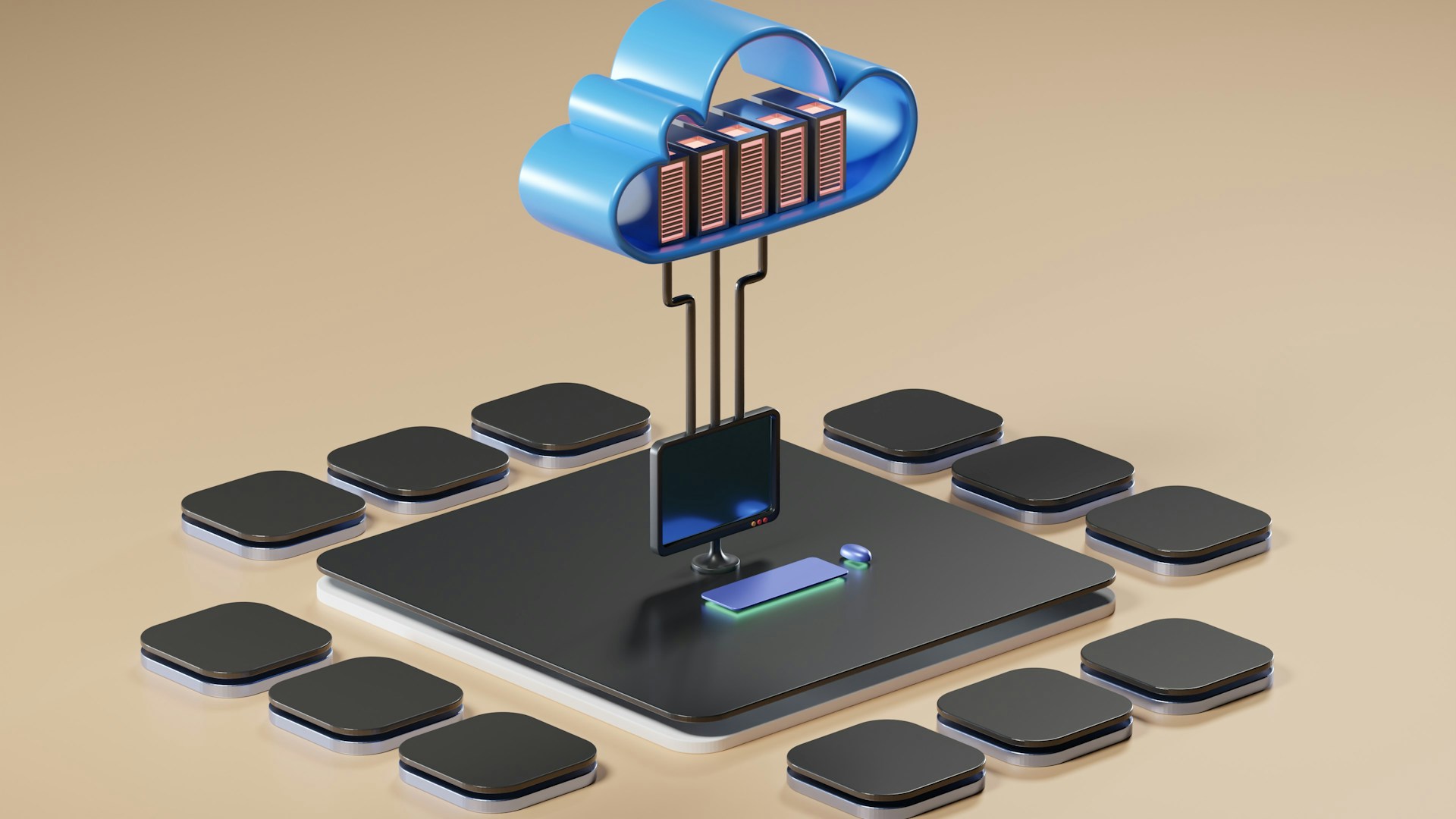
To start, cloud computing refers to the delivery of computing services—including storage, servers, databases, networking, and software applications—via the internet or “cloud.”
Instead of relying on local hardware, the cloud stores and processes data in large centralized data centers hosted by providers like AWS, Microsoft Azure, or Google Cloud.
Key Features of Cloud Computing:
- Centralized Processing: All data is sent to remote servers for processing.
- Scalability: Resources can easily be scaled up or down based on demand.
- Accessibility: Users can access data and applications from anywhere with an internet connection.
Benefits of Cloud Computing:
- Cost Efficiency: Businesses save on upfront hardware investments and maintenance.
- Global Accessibility: Teams can collaborate in real-time, no matter their location.
- Scalability: Cloud services allow you to pay for only the resources you use, making it ideal for dynamic workloads.
However, for processes requiring immediate data processing or low-latency interactions, this centralized model has its limitations, which brings us to edge computing.
What is Edge Computing?
While cloud computing operates at centralized locations, edge computing shifts data processing and storage closer to where data is generated—for instance, on Internet of Things (IoT) devices or edge servers.
By keeping data “at the edge” rather than in distant data centers, edge computing reduces the dependency on constant data transfers.
Key Features of Edge Computing:
- Localized Processing: Data processing occurs near its source (e.g., sensors, cameras, or IoT devices).
- Low Latency: By avoiding long-distance communication with the cloud, edge computing minimizes response times.
- Offline Capabilities: Many edge systems function even without stable network connectivity.
Benefits of Edge Computing:
- Real-Time Insights: Rapid data processing at the source makes it essential for time-sensitive decisions.
- Reliability: Local processing reduces dependency on consistent internet performance.
- Bandwidth Optimization: By processing data locally, only crucial information is sent to cloud storage, reducing bandwidth usage.
This localized, decentralized approach is particularly valuable in industries like healthcare, manufacturing, or autonomous vehicles, where delays in data responses can have significant consequences.
Cloud vs Edge Computing
Though cloud and edge computing are complementary approaches, their applications and advantages differ. To decide between the two, it’s essential to analyze your business’s workload requirements.
1. Data Processing and Latency
- Cloud Computing: Best suited for tasks where latency isn’t a critical factor, such as running large-scale analytics or storing archival data.
- Edge Computing: Ideal for use cases requiring near-instant processing, like autonomous vehicles or smart home systems.
2. Connectivity Requirements
- Cloud Computing: Relies heavily on stable network connectivity for real-time operations and data retrieval.
- Edge Computing: Designed for environments with unreliable or limited connectivity since much of the data processing occurs locally.
3. Scalability and Flexibility
- Cloud Computing: Provides unmatched scalability for businesses with fluctuating workloads or global operations.
- Edge Computing: Offers less flexibility since computing and storage resources are distributed across specific locations.
4. Cost Considerations
- Cloud Computing: Cheaper for businesses looking to reduce hardware investments while maintaining flexible usage.
- Edge Computing: This may incur higher costs due to distributed infrastructure requirements but can save bandwidth and operational expenses for high-volume, location-specific operations.
Real-World Use Cases of Cloud and Edge Computing
Understanding when to apply each model is critical for leveraging their benefits optimally. Here are some industry-specific examples:
Cloud Computing Applications
- E-Commerce Platforms: Enables global retailers to store and process customer data, manage orders, and provide a seamless online shopping experience.
- SaaS Tools: Supports software as a service tool like Google Workspace or Slack, ensuring they remain accessible over the internet.
- Big Data Analytics: Serves as the backbone for businesses processing and analyzing large datasets at scale.
Edge Computing Applications
- Healthcare: Supports devices like wearable health monitors that need to process patient data in real-time to alert healthcare providers.
- Manufacturing: Powers smart factories where machinery relies on immediate data processing to optimize performance.
- Autonomous Vehicles: Handles navigation and safety decisions by processing data onboard to eliminate delays.
Can Both Models Work Together?
Absolutely! Many enterprises adopt a hybrid approach, leveraging both cloud and edge computing for maximum efficiency.
For example, an IoT-enabled factory may process real-time data through edge computing for immediate decision-making while transmitting long-term data to the cloud for further analysis and record-keeping.
This combination helps businesses achieve a balance between low-latency operations and cost-effective scalability.
How to Decide Which Solution is Right for Your Business
Choosing between cloud and edge computing depends on your specific requirements. Consider the following factors:
- Do you need to process data in real-time or near real-time? (Edge)
- Is scalability and global accessibility a priority? (Cloud)
- Do you operate in locations with unreliable internet? (Edge)
- Are cost considerations your top priority? (Cloud)
By analyzing your workload characteristics and operational goals, you can identify the computing model (or combination) best suited to your needs.
Unlock the Potential of Cloud and Edge Computing
The choice between cloud and edge computing is not an either-or decision. Both offer unique advantages that can fit various business scenarios. To stay competitive in today’s fast-paced landscape, businesses should evaluate their data needs and invest in solutions that align with their goals.
Whether you’re processing live IoT data or scaling your SaaS operations globally, the right computing model will help you operate smarter and faster.