






Smart homes are no longer a futuristic concept reserved for sci-fi movies or tech enthusiasts. They are becoming an integral part of our lives, revolutionizing the way we live, work, and interact with technology.
From IoT advancements to sophisticated automation systems, the evolution of smart home technology offers incredible potential. But what does the future hold for this rapidly growing industry?
This blog will uncover the emerging trends, the role of IoT in shaping smart home automation, and the benefits and challenges that come with them. Whether you’re a tech-savvy homeowner or simply curious about the smart home revolution, this guide will keep you informed about what’s next.
Why Smart Homes Are More Than Just Gadgets
At its core, a smart home integrates technology into everyday living spaces to deliver convenience, comfort, and efficiency.
But these homes go beyond just upgrading your thermostat or installing a smart speaker. They tap into the Internet of Things (IoT)—a vast network of connected devices—to automate and simplify countless tasks.
Smart homes now encompass everything from lighting, security, and entertainment to energy management, health monitoring, and beyond. By putting consumers in control of their environment, smart home technology enhances functionality and fosters a seamless, personalized experience.
Key Technologies Driving the Smart Home Revolution
The backbone of smart home automation lies in cutting-edge technologies that make IoT devices work in harmony. Here’s a closer look at some advancements shaping the future.
Artificial Intelligence and Machine Learning
AI and machine learning are at the heart of smart home innovation. Devices are becoming smarter, learning user behavior and preferences to offer tailored solutions. For example:
- Smart thermostats like Nest and Ecobee adapt to your schedule and adjust heating patterns automatically.
- AI-powered security cameras use facial recognition to differentiate between family members and potential intruders.
Voice and Virtual Assistants
Virtual assistants such as Amazon Alexa, Google Assistant, and Apple’s Siri have transformed how we interact with technology. Through natural language processing (NLP), they can understand and execute spoken commands, such as:
- Turning off the lights
- Ordering groceries
- Creating shopping lists
By acting as the central control hub for IoT devices, virtual assistants make smart homes easily accessible to new users.
Edge Computing
Unlike cloud computing, where data is processed in distant servers, edge computing handles data processing locally on devices within the home network.
This reduces latency, ensuring faster responses while enhancing data security. For example, edge computing allows for real-time surveillance that works seamlessly even during internet outages.
Connectivity with 5G
The rollout of 5G networks provides faster data speeds and lower latency, directly enhancing the performance of smart home devices. This connectivity enables smoother integration between IoT devices, supporting more complex ecosystems without causing delays.
Emerging Trends in Smart Home Technology
- Health and Wellness Monitoring
- With an increased focus on health, smart homes are evolving to integrate health-monitoring technologies. Devices like smart mirrors provide daily wellness insights, while connected fitness equipment and sleep trackers contribute to better lifestyle management.
- Energy Efficiency and Sustainability
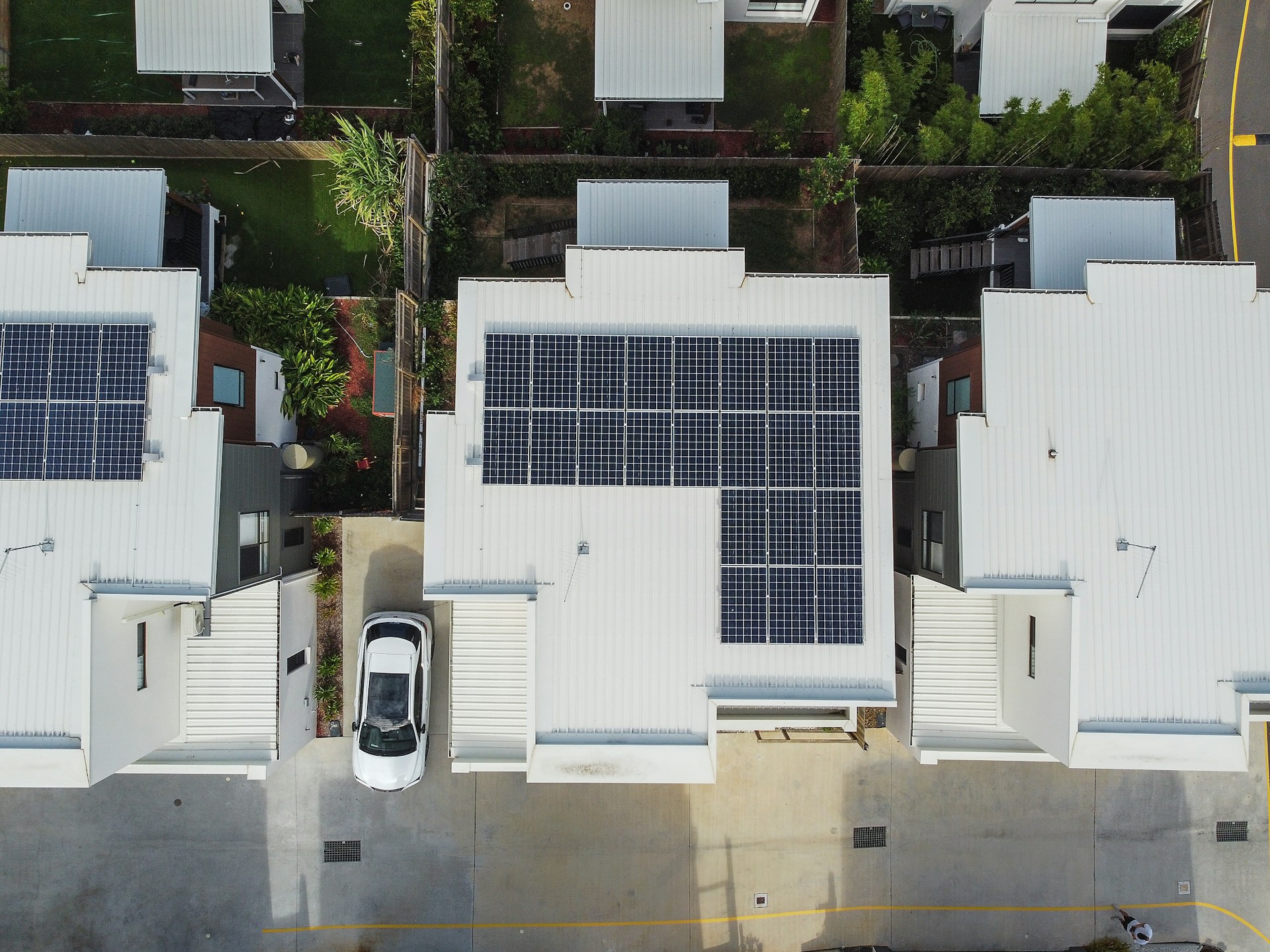
- Energy-efficient homes are a growing priority. With solar panels integrated into IoT systems and smart meters monitoring energy waste, smart tech is empowering homeowners to lower their carbon footprint.
- Home Security Innovation
- Advanced video doorbells, AI-powered cameras, and biometric authentication systems are removing the guesswork from home security. The future of smart security extends to intelligent fencing and drone surveillance for larger properties.
- Interoperability
- One challenge for early smart homes was the lack of compatibility between devices from different manufacturers. Open-source initiatives and universal standards like Matter are now creating ecosystems where devices from multiple brands can work together seamlessly.
- Enhanced Entertainment Experiences
- Beyond controlling music and shows, smart TVs and speakers are introducing adaptive features like automatic sound adjustment based on the room environment or immersive gaming with AR/VR devices.
Benefits of Smart Home Automation
The adoption of these technologies brings several advantages:
- Convenience: Automation enables hands-free living with programmable schedules and voice commands.
- Cost Savings: Energy-efficient devices reduce utility bills while smart maintenance systems detect issues before they turn into costly repairs.
- Improved Safety: Features like remote monitoring and leak detection systems improve household safety.
- Personalization: AI and IoT ensure a tailored experience, adapting to an individual’s preferences in lighting, comfort, and entertainment.
Challenges to Overcome Before Widespread Adoption
While the future of smart homes is promising, it won’t come without hurdles:
- Privacy Concerns: All those connected devices collect data, raising questions about security breaches and how data is used.
- High Upfront Costs: Setup costs remain significant for high-quality IoT systems and automation solutions, limiting accessibility.
- Device Compatibility: While strides are being made in interoperability, some systems still fail to seamlessly connect another.
For smart homes to fully realize their potential, brands and developers must address these barriers and create more user-friendly solutions.
Preparing Your Home for the Smart Future
If you’re ready to start transitioning into the world of smart homes, begin small:
- Invest in one or two essential devices, such as a smart thermostat or smart bulb.
- Use a unified app or platform, such as Alexa or Google Home, to control all your devices effortlessly.
- Research compatibility to ensure new devices will work with your existing gadgets.
- Stay updated on trends to continually improve your smart home ecosystem.
Shaping the Home of Tomorrow
Smart homes are positioned to become indispensable, reshaping modern living at its very core. By harnessing IoT capabilities and sophisticated automation, these intelligent homes promise an unmatched level of convenience, efficiency, and adaptability.
Whether you’re upgrading a single room in your house or planning an entirely automated experience, staying informed is key to navigating the future of smart technology.
A personalized, optimized home isn’t as far away as it might seem. For even more information and updates on IoT advancements, subscribe to our newsletter!